

A nice office and everyone was professional. My nurse Candice was informative and was able to answer my questions.
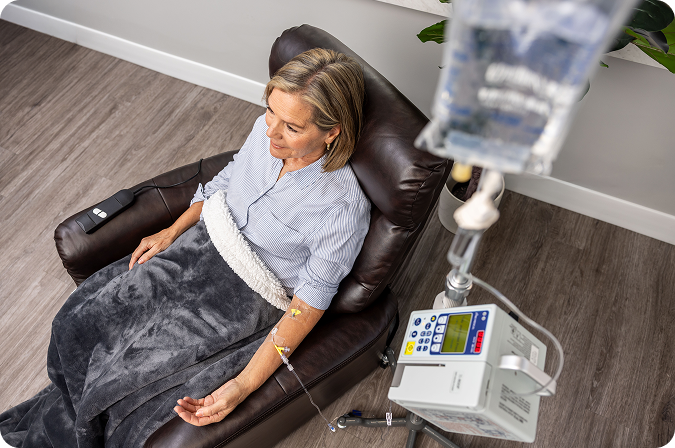














Infusion therapy is used to deliver biologic medications directly into the bloodstream, allowing for controlled administration of complex therapies that cannot be effectively taken by mouth. It is commonly prescribed for chronic and autoimmune conditions such as rheumatoid arthritis, Crohn’s disease, ulcerative colitis, multiple sclerosis, and certain cancers because it can provide targeted treatment, improve symptom control, and help slow disease progression.
Biologics are medications made from living cells rather than chemicals. They’re designed to target specific parts of the immune systems instead of affecting the whole body. They typically work by preventing your body from attacking itself. Biologics can be more effective treatments as most are delivered intravenously (through an IV), ensuring that your body absorbs all of the medication delivered to you, increasing its potency and effectiveness.
Bio-similars are medications that are nearly identical to an existing biologic drug and are considered interchangeable. The FDA has verified and approved that the bio-similar has no clinically meaningful differences in safety, strength, or effectiveness. For example, Inflectra, Renflexis, and Avsola are all biosimilars of Remicade.
Most infusion appointments in an ambulatory infusion setting do not require fasting. Patients are typically encouraged to eat normally and stay well hydrated before their visit unless their prescribing provider gives specific instructions otherwise.
• Drink water unless instructed otherwise—hydration helps reduce vein irritation.
• Eat a light meal if you tend to feel dizzy or nauseous during infusions.
• Avoid alcohol or caffeine if the infusion can cause dehydration or affect heart rate.
• Follow the exact instructions given by the infusion center—protocols vary.
Lab work is a safety measure. It ensures the medication won’t cause harm and that your body is ready to respond effectively. In most cases, yes, lab work is often required before an infusion, but it depends on the type of medication and your health. The purpose is to make sure the infusion is safe and effective for you.
• Check organ function: Many drugs, especially chemotherapy or biologics, can affect the liver, kidneys, or blood cells.
• Assess blood counts: To make sure you have enough red blood cells, white blood cells, and platelets for safe treatment.
• Ensure safe iron or nutrient levels: For iron infusions, labs check hemoglobin, ferritin, or iron levels.
• Monitor for infections: Some medications suppress the immune system, so labs help ensure you’re not fighting an infection.
Yes, you are welcome to bring a guest. Our clinics offer a comfortable environment with seating available for both patients and their guests.
1. Comfortable Clothing
• Loose, soft clothes you can sit in for 1–3 hours or longer.
• Layers (like a sweater or light jacket) in case the infusion room is cool.
2. Easy Access to Your Arm
• Short sleeves or sleeves that can be easily rolled up (most IVs are in the arm).
• Avoid tight sleeves, watches, or bracelets on the arm receiving the infusion.
3. Optional
• A scarf, blanket, or shawl if you tend to get cold.
• Minimal jewelry to avoid interference with IV placement.
Common side effects of biologic infusion therapy are generally mild and may include headache, fatigue, nausea, fever, chills, rash, or redness at the infusion site. Some patients may also experience infusion-related reactions such as itching, shortness of breath, or changes in blood pressure during or shortly after treatment, which are typically monitored and managed by clinical staff during the infusion process.