
Managing Side Effects After Infusion Treatment
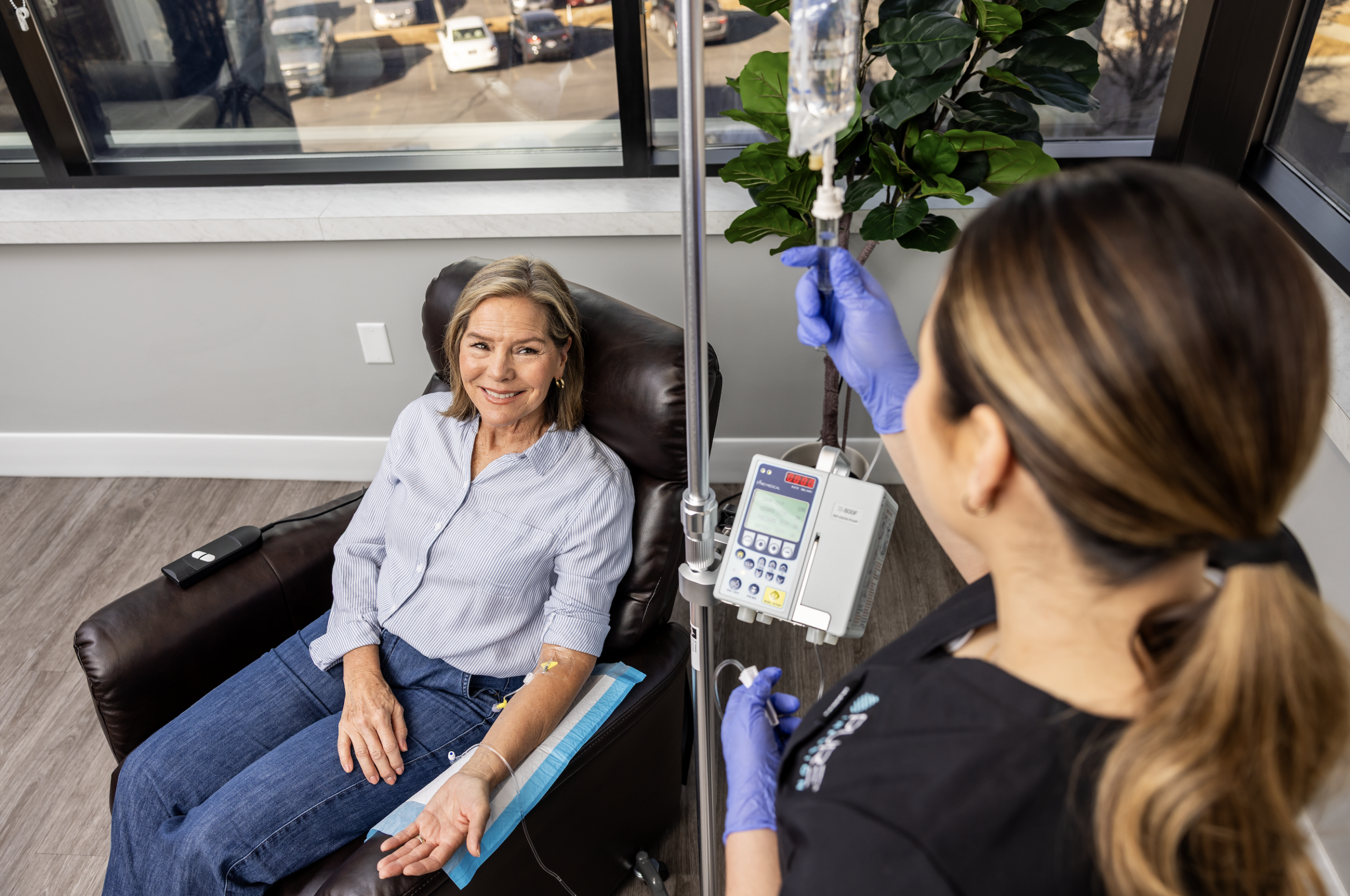
Infusion therapy is a safe and effective treatment option, but like any medical treatment, it may cause side effects. Fortunately, most are mild, temporary, and manageable with support from your healthcare team.
Knowing what to expect after your infusion can help you feel more prepared. Here’s how to manage common side effects, recognize when to contact your provider, and support a comfortable recovery.
Common Side Effects After Infusion Therapy
Not everyone experiences side effects, and the type of reaction depends on the medication being administered. Some patients feel completely normal after treatment, while others may notice mild symptoms that resolve within a day or two.
Common side effects include:
- Fatigue
- Headache
- Mild nausea
- Chills
- Muscle or joint aches
- Low-grade fever
- Temporary soreness or bruising at the IV site
These symptoms are often part of your body’s normal response to treatment and usually improve with rest, hydration, and time.
Why Side Effects Occur
Many infusion medications affect the immune system or other biological processes. As your body responds to the medication, temporary side effects may occur.
Several factors can influence how you feel after an infusion, including:
- The specific medication being administered
- Your overall health
- Whether it’s your first infusion
- The length of your treatment
- Your body’s individual response
Your infusion care team carefully monitors you during treatment to reduce the risk of complications and address any concerns as they arise.
Infusion Reactions vs. Normal Side Effects
It’s important to understand the difference between expected side effects and an infusion reaction.
Normal side effects typically develop gradually after treatment and are mild to moderate in severity.
An infusion reaction occurs during or shortly after the medication is administered and may include symptoms such as:
- Rash or hives
- Difficulty breathing
- Chest tightness
- Swelling of the face or throat
- Severe dizziness
- Significant changes in blood pressure
Infusion centers are equipped to recognize and manage these reactions quickly. Nurses closely monitor patients throughout treatment and can slow or stop the infusion if needed.
Serious infusion reactions are uncommon, but your care team is prepared should they occur.
Tips for Managing Side Effects at Home
Many patients find that a few simple steps can make recovery after an infusion more comfortable. While everyone’s experience is different, taking care of your body in the hours and days following treatment can help minimize common side effects and support your overall well-being.
Stay Hydrated
Unless your healthcare provider has instructed you to limit fluids, drinking plenty of fluids before and after your infusion can help reduce headaches, fatigue, and dehydration. Staying hydrated also supports your body’s natural processes as it responds to treatment.
Water is usually the best choice, although your provider may recommend electrolyte beverages depending on your treatment plan. Try to sip fluids consistently throughout the day rather than drinking large amounts all at once.
Get Plenty of Rest
It’s normal to feel more tired than usual after certain infusions. Giving your body time to rest allows it to adjust to the medication and recover more comfortably.
Consider:
- Taking it easy for the rest of the day
- Getting a full night’s sleep
- Avoiding strenuous activity if you’re feeling fatigued
Many patients return to their normal routine the following day, but it’s important to listen to your body and allow yourself additional time to recover if needed.
Eat Nutritious Meals
Eating balanced meals before and after treatment may help reduce nausea and maintain your energy levels. Foods that include lean protein, whole grains, fruits, and vegetables can provide nutrients that support recovery.
If your appetite is limited, try eating smaller meals throughout the day instead of large portions. Bland foods or light snacks may also be easier to tolerate if you’re feeling nauseated.
Care for the IV Site
Some tenderness or bruising where the IV was placed is normal and usually resolves within a few days.
You can help reduce discomfort by:
- Keeping the area clean
- Applying a cool compress if recommended
- Monitoring for unusual redness or swelling
Avoid excessive pressure or heavy lifting with the affected arm if it’s sore. Contact your healthcare team if the IV site becomes increasingly painful, swollen, warm to the touch, or shows signs of infection.
Follow Your Provider’s Instructions
Every infusion medication has its own recommendations for follow-up care. Your provider may recommend:
- Taking prescribed medications before future infusions
- Monitoring your temperature
- Avoiding certain activities
- Scheduling follow-up lab work
Be sure to follow any instructions provided by your care team and don’t hesitate to ask questions if something is unclear. Following your personalized care plan can help minimize side effects, support successful treatment, and ensure any concerns are addressed promptly.
When to Contact Your Healthcare Team
While most side effects are mild, some symptoms should be reported promptly.
Contact your provider if you experience:
- Fever that persists or worsens
- Severe or prolonged nausea or vomiting
- Shortness of breath
- Chest pain
- Significant swelling
- Persistent dizziness
- Signs of infection at the IV site
- Symptoms that do not improve after several days
Seek immediate medical attention if you experience:
- Difficulty breathing or severe shortness of breath
- Chest pain or pressure
- Swelling of the face, lips, tongue, or throat
- Fainting, severe dizziness, or loss of consciousness
- Severe or rapidly worsening allergic-reaction symptoms
An infusion reaction most commonly occurs during or shortly after treatment, although some reactions can occur hours or even days later depending on the medication.
How Infusion Centers Help Reduce Side Effects
Managing side effects starts before your infusion even begins.
Experienced infusion centers use established clinical protocols to help improve patient comfort throughout treatment. Depending on your medication, your care team may:
- Review your medical history before treatment
- Monitor your vital signs throughout the infusion
- Adjust infusion rates when appropriate
- Administer medications before treatment to help reduce certain side effects
- Observe you after your infusion before discharge
At Pure Infusion, experienced infusion nurses and on-site nurse practitioners provide individualized care throughout every appointment, helping patients feel supported from start to finish.
Why Communication Matters
Every patient responds differently to infusion therapy. Even if a side effect seems minor, sharing your experience with your care team helps them better understand how you’re responding to treatment.
Keeping track of symptoms between appointments can help your provider determine whether adjustments to your treatment plan may improve your experience.
Never hesitate to ask questions or discuss concerns with your infusion nurse or provider.
Compassionate Care Throughout Your Treatment Journey
Managing side effects after infusion treatment is an important part of your care journey. While mild fatigue, headaches, or nausea can occur, most side effects are temporary and manageable with guidance from your healthcare team.
At Pure Infusion, we’re committed to making every step of your treatment as comfortable as possible through expert clinical care, ongoing support, and patient education.
Have questions about infusion therapy or managing side effects? Contact Pure Infusion today to speak with our team and learn how we can support you throughout your treatment journey.